
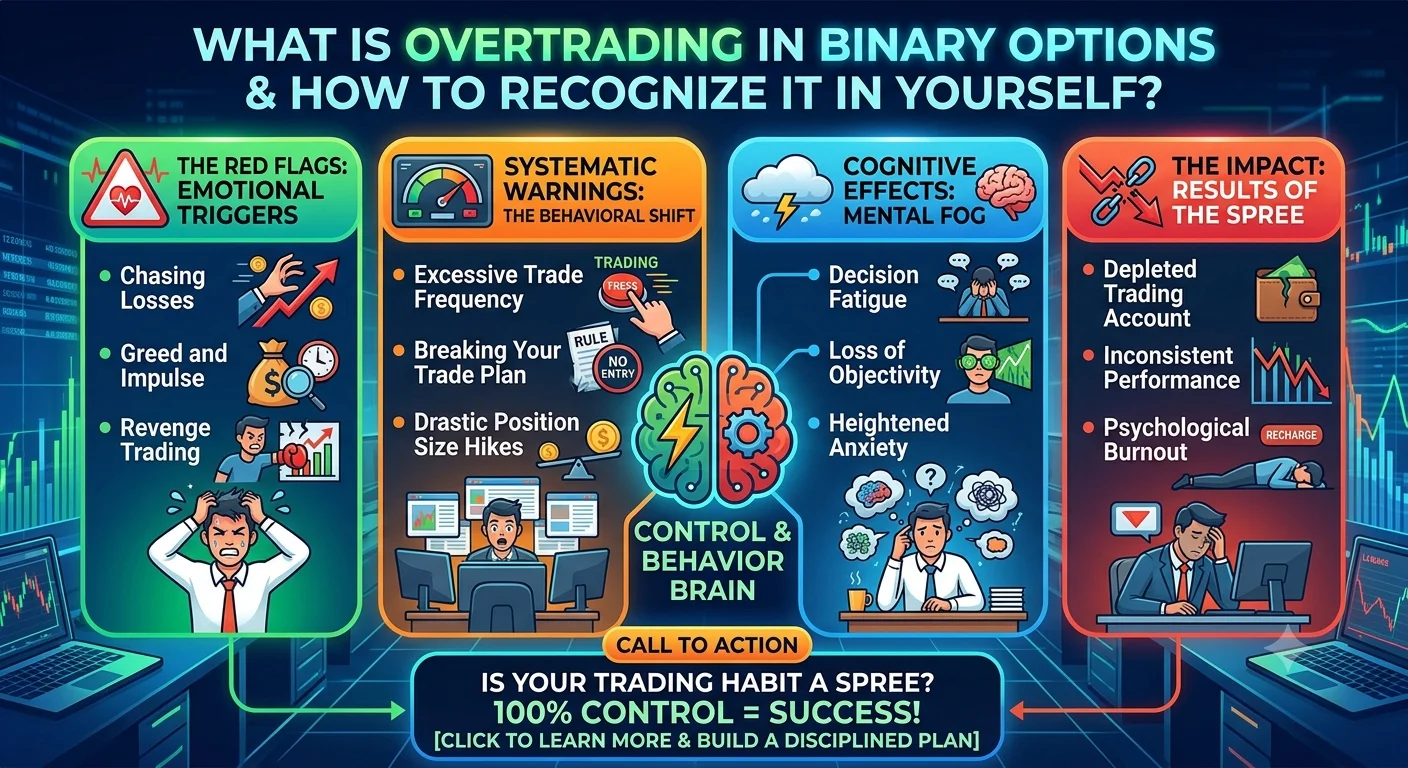
Overtrading is one of the most common and damaging habits among beginner traders yet many do not recognize it happening until significant damage has already occurred to their account. This guide explains exactly what overtrading means and how to identify it in your own behavior.
What Is Overtrading
Overtrading refers to placing an excessive number of trades often driven by emotion impulse or boredom rather than genuine analytical opportunities that meet your predetermined trading criteria. This behavior typically results in lower quality trading decisions since many of these additional trades lack the careful analysis applied to your originally planned trading activity.
Overtrading can occur both in terms of trading too frequently within a single session and in terms of risking too large a portion of your account across your overall trading activity.
Why Overtrading Happens
Overtrading often stems from emotional reactions rather than logical trading decisions. After a loss some traders feel compelled to immediately place another trade to recover the loss quickly which is a form of revenge trading discussed in our trading psychology guide. After a win some traders feel overly confident and continue placing trades beyond what their original analysis actually supported.
Boredom can also contribute to overtrading particularly during quiet market periods when a trader feels compelled to find any reason to place a trade simply to remain active rather than waiting patiently for genuine opportunities that meet their established criteria.
Warning Signs You May Be Overtrading
You find yourself placing trades without clearly identifiable reasons connected to your predetermined entry criteria. You notice you are trading significantly more frequently than your original trading plan intended. You feel a strong urge to immediately place another trade after experiencing either a loss or a win rather than feeling calm and patient.
You struggle to clearly explain your reasoning for a specific trade when reviewing your trading journal afterward. You find yourself trading during times you had not originally planned to trade simply because you happened to be near your device and felt the urge to check the markets.
Why Overtrading Damages Your Results
Each additional trade placed without proper analysis increases your exposure to losses without the corresponding benefit of genuine analytical edge that your planned strategy is designed to provide. Over time this pattern can significantly erode your account balance even if your core strategy itself remains genuinely effective when applied correctly.
Overtrading also increases the cumulative emotional toll of trading since placing more trades than planned often means experiencing more losses than necessary which can further compound emotional difficulties and lead to additional impulsive decisions.
How to Prevent Overtrading
Set a specific maximum number of trades per session as part of your written trading plan and commit to stopping once you reach this limit regardless of how you feel in the moment. Define clear specific entry criteria that must be met before placing any trade rather than allowing vague general impressions to justify a trading decision.
- How to Control Your Emotions While Trading Binary Options Without Making Mistakes
- What Is Trading Psychology and Why It Determines Whether You Win or Lose
- How to Create a Trading Plan for Binary Options That Keeps You Disciplined
Use the mandatory pause technique discussed in our guide on controlling emotions during trading to create space between trades and reduce the likelihood of impulsive additional trades driven by recent emotional reactions.
Recommended Articles
 INVESTMENT TIPS
 INVESTMENT TIPS
 INVESTMENT TIPS
 INVESTMENT TIPS
How to Recognize Overtrading After It Has Already Happened
Review your trading journal regularly looking specifically for sessions where you placed significantly more trades than your typical pattern or where your stated reasoning for individual trades seems weak or unclear compared to your usual standards. Identifying these patterns after the fact still provides valuable learning even if it does not prevent the overtrading that already occurred.
Consider tracking your win rate separately for trades that met your full predetermined criteria versus trades placed more impulsively. This comparison often clearly demonstrates how overtrading negatively impacts your overall results compared to disciplined selective trading.
Building Patience as a Core Trading Skill
Patience is often underrated as a trading skill compared to technical analysis or strategy knowledge. Learning to wait calmly for genuine opportunities that meet your full criteria rather than forcing trades during quiet periods is a skill that develops with deliberate practice over time.
Remind yourself that avoiding a low quality trade is itself a valuable decision even though it does not feel as immediately rewarding as placing a trade that happens to win. Protecting your capital through patience ultimately supports your long term consistency far more than chasing constant activity.
Frequently Asked Questions About Overtrading
What is the main cause of overtrading Overtrading is typically driven by emotional reactions such as revenge trading after a loss overconfidence after a win or boredom during quiet market periods rather than genuine analytical opportunities.
How many trades per day is considered overtrading There is no universal number since this depends on your specific strategy and trading plan. Overtrading is better identified by comparing your actual trading frequency against your own predetermined plan rather than a fixed external number.
Can overtrading happen even with a winning strategy Yes. Even an effective strategy can be undermined if you place additional trades beyond what the strategy actually supports since these extra trades typically lack the same analytical quality as your properly planned trading activity.
How can I tell if I am overtrading Warning signs include placing trades without clear reasoning connected to your established criteria trading more frequently than planned and feeling a strong urge to trade immediately after either a win or a loss.
What is the best way to prevent overtrading Setting a specific maximum number of trades per session combined with clear written entry criteria and using deliberate pauses between trades are effective methods for preventing overtrading behavior.
Understanding overtrading naturally leads to studying how successful traders maintain discipline differently. Continue learning with our guide on How Successful Binary Options Traders Think Differently From Losing Traders.
This article is for educational purposes only and does not constitute financial advice. Trading involves risk and you should only invest money you can afford to lose.