
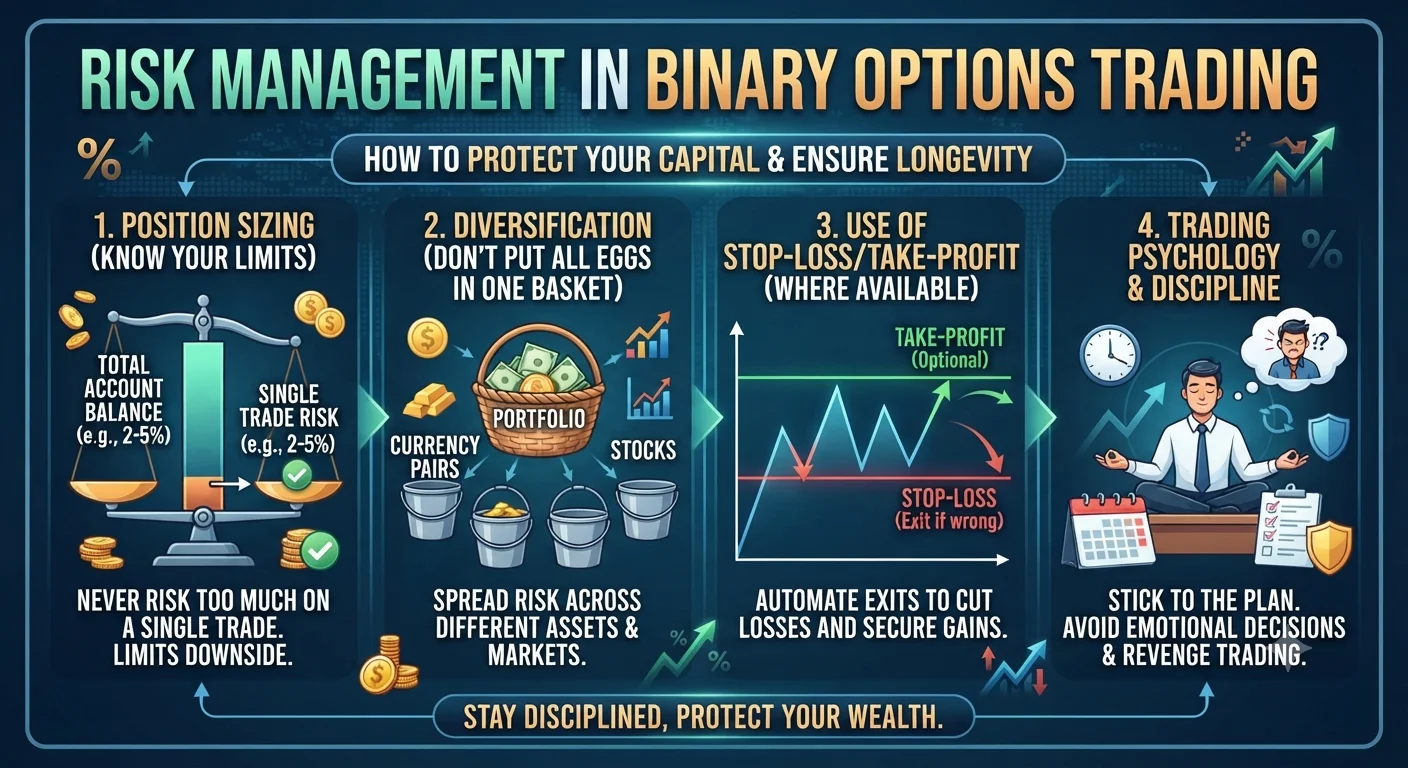
Risk management is the single most important skill separating traders who last for years from those who lose their entire account within weeks. Strategy and technical analysis matter but without proper risk management even the best strategy eventually fails.
This guide explains exactly what risk management means and how to apply it to protect your trading capital.
What Is Risk Management in Trading
Risk management refers to the practices and rules traders use to control how much money they risk on each trade and across their overall account. The goal is not to avoid losses entirely since losses are a normal part of trading. The goal is to ensure that losses never become large enough to seriously damage your ability to continue trading.
Without risk management even a trader with a genuinely effective strategy can lose their entire account due to a string of losses combined with oversized position sizes.
Why Risk Management Matters More Than Strategy Alone
- What Is Risk Management in Trading
- Why Risk Management Matters More Than Strategy Alone
- The Core Principle Risking Only a Small Percentage Per Trade
- Why Position Sizing Should Adjust as Your Account Changes
- Avoiding the Temptation to Increase Risk After Losses
- Understanding Drawdown and Why It Matters
- Diversifying Across Different Assets and Strategies
- Setting Daily and Weekly Loss Limits
- Frequently Asked Questions About Risk Management
Many beginners focus almost entirely on finding the perfect strategy while ignoring risk management completely. This is a significant mistake since even an excellent strategy with a high win rate can still produce a difficult losing streak due to natural variation in outcomes.
A trader with strong risk management can survive a losing streak and continue trading with their strategy intact. A trader without risk management may lose their entire account during the same losing streak regardless of how effective their underlying strategy actually is.
The Core Principle Risking Only a Small Percentage Per Trade
One of the most widely recommended risk management principles is limiting each individual trade to a small percentage of your total account balance. Many experienced traders suggest risking no more than one to five percent of total capital on any single trade.
For example if your account balance is two hundred dollars risking one to five percent means limiting each trade to between two and ten dollars. This approach ensures that even several consecutive losing trades will not significantly deplete your overall account balance.
Why Position Sizing Should Adjust as Your Account Changes
As your account balance grows or shrinks your position size should adjust accordingly to maintain the same percentage based risk. This means your actual dollar amount risked per trade will increase as your account grows and decrease if your account experiences losses.
- How Much Money Do You Need to Start Binary Options Trading as a Beginner
- What Is the 1 Percent Rule in Trading and How to Use It to Protect Yourself
- How to Create a Trading Plan for Binary Options That Keeps You Disciplined
This dynamic approach prevents a situation where a shrinking account continues risking the same fixed dollar amount which would represent an increasingly larger percentage of a smaller balance over time.
Avoiding the Temptation to Increase Risk After Losses
A common emotional reaction after a losing trade is the desire to increase your next trade size in an attempt to recover the previous loss quickly. This behavior often leads to even larger losses and is one of the fastest ways to deplete an entire trading account.
Recommended Articles
 INVESTMENT TIPS
 INVESTMENT TIPS
 INVESTMENT TIPS
 INVESTMENT TIPS
Maintaining your predetermined risk percentage regardless of recent wins or losses is essential for long term consistency. This discipline is often more difficult to maintain than learning the technical analysis skills themselves.
Understanding Drawdown and Why It Matters
Drawdown refers to the reduction in your account balance from its peak value due to a series of losing trades. Understanding drawdown helps you recognize that even profitable trading strategies will experience periods of decline and this is a normal part of the overall process rather than a sign that something is fundamentally wrong.
Setting a personal drawdown limit such as pausing trading after losing a certain percentage of your account within a single day can help prevent emotional decision making during difficult periods.
Diversifying Across Different Assets and Strategies
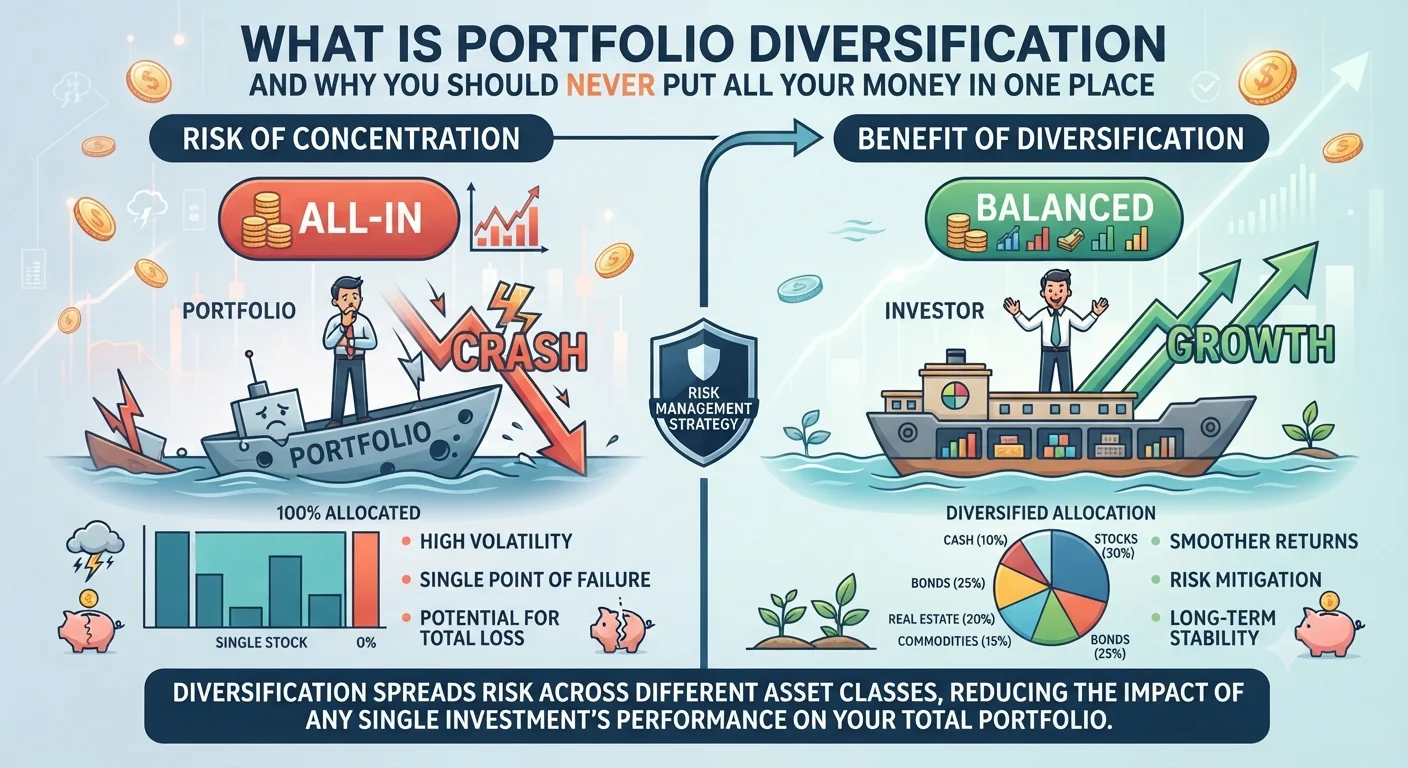
Some traders reduce risk by avoiding excessive concentration on a single asset or strategy. Spreading your trading activity across a few different assets or approaches can help reduce the impact of any single asset experiencing unusual volatility or any single strategy underperforming during certain market conditions.
This does not mean spreading yourself too thin across too many assets at once which can make it difficult to develop deep familiarity with any single market.
Setting Daily and Weekly Loss Limits
Many experienced traders set a maximum loss limit for each trading day or week. Once this limit is reached they stop trading for that period regardless of how confident they feel about additional trades.
This rule protects against emotional revenge trading after a difficult session and ensures that a single bad day does not turn into a catastrophic account loss through continued impulsive decision making.
Frequently Asked Questions About Risk Management
What percentage of my account should I risk per trade Many experienced traders recommend risking no more than one to five percent of your total account balance on any single trade to protect against extended losing streaks.
What is drawdown in trading Drawdown refers to the decline in your account balance from its peak value due to a series of losing trades. It is a normal part of trading even with an effective strategy.
Should I increase my trade size after a winning streak While your position size should adjust as your account grows you should avoid dramatically increasing risk simply due to recent wins since this can lead to giving back gains during a future losing streak.
What is a daily loss limit and why is it useful A daily loss limit is a predetermined maximum amount you are willing to lose within a single trading day. Once reached you stop trading for that day to prevent emotional decision making from worsening your losses.
Can good risk management make up for a weak trading strategy Not entirely. Risk management protects your capital but does not replace the need for a genuinely effective strategy. The two work together rather than substituting for one another.
Risk management works hand in hand with understanding your own trading psychology. Continue learning with our guide on how much money you need to start binary options trading as a beginner.
This article is for educational purposes only and does not constitute financial advice. Trading involves risk and you should only invest money you can afford to lose.