
Regulation is one of the most important concepts in binary options trading yet many beginners skip past it during their initial research excited to start trading as quickly as possible. This guide explains exactly what broker regulation means and why it matters so much for protecting your money.
What Is a Regulated Binary Options Broker
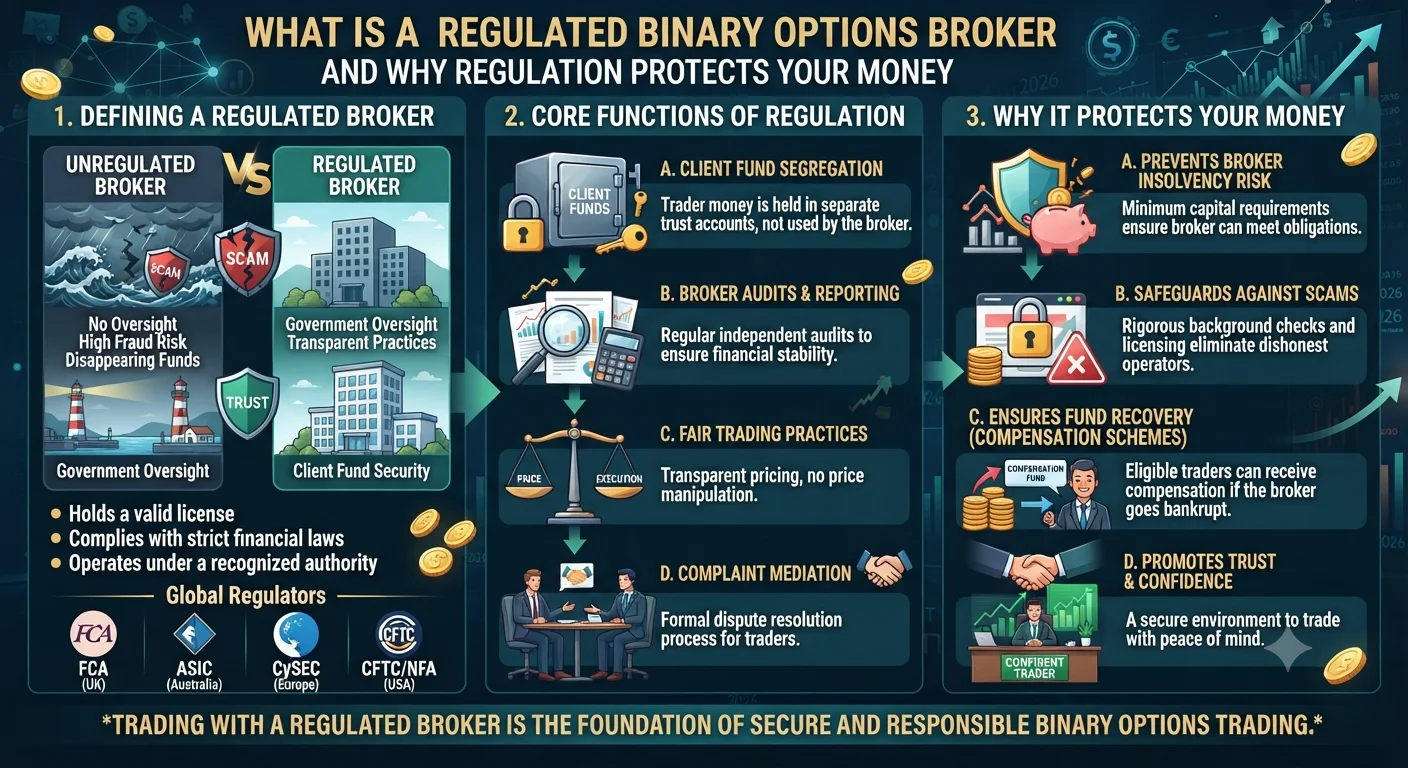
A regulated binary options broker is a trading platform that operates under the oversight and licensing of a recognized financial regulatory authority. This oversight means the broker must comply with specific rules regarding how client funds are handled how trades are executed and how disputes are resolved.
Regulatory bodies set and enforce these standards to protect traders from fraudulent activity price manipulation and the misappropriation of client funds which are real risks in an industry that has historically attracted a significant number of bad actors.
How Regulation Protects Your Money
- What Is a Regulated Binary Options Broker
- How Regulation Protects Your Money
- Major Financial Regulatory Authorities
- How to Verify a Broker's Regulatory Status
- The Difference Between Regulated and Licensed
- What Happens When a Regulated Broker Violates Rules
- Regulated Does Not Mean Risk Free
- Frequently Asked Questions About Regulated Brokers
Regulated brokers are typically required to keep client funds in segregated accounts that are separate from the broker's own operational funds. This segregation means your deposited money is protected even if the broker experiences financial difficulties since it cannot be used to cover the broker's own operational expenses or debts.
Regulated brokers must also follow fair pricing standards that prevent manipulation of trade outcomes and are subject to regular audits and reporting requirements that provide external verification of their compliance with established standards.
Major Financial Regulatory Authorities
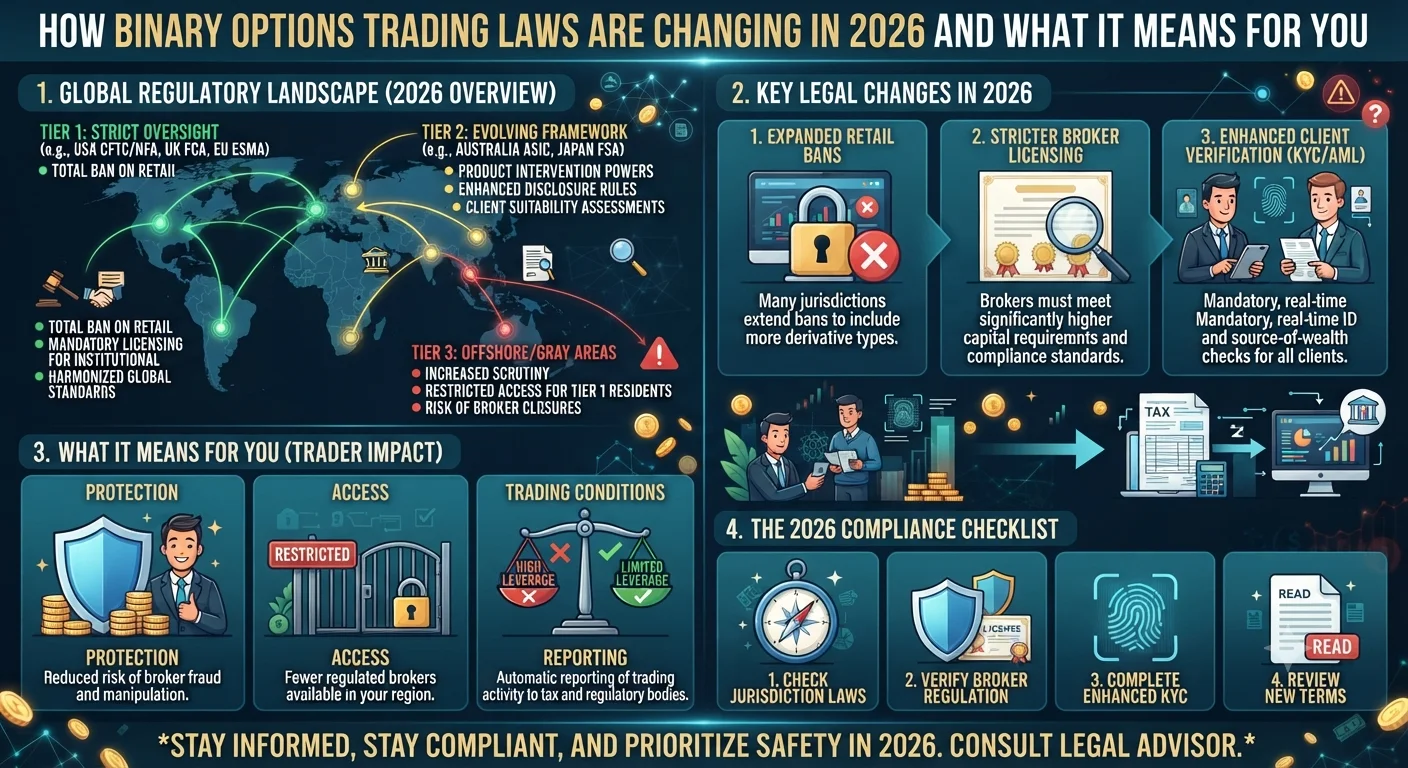
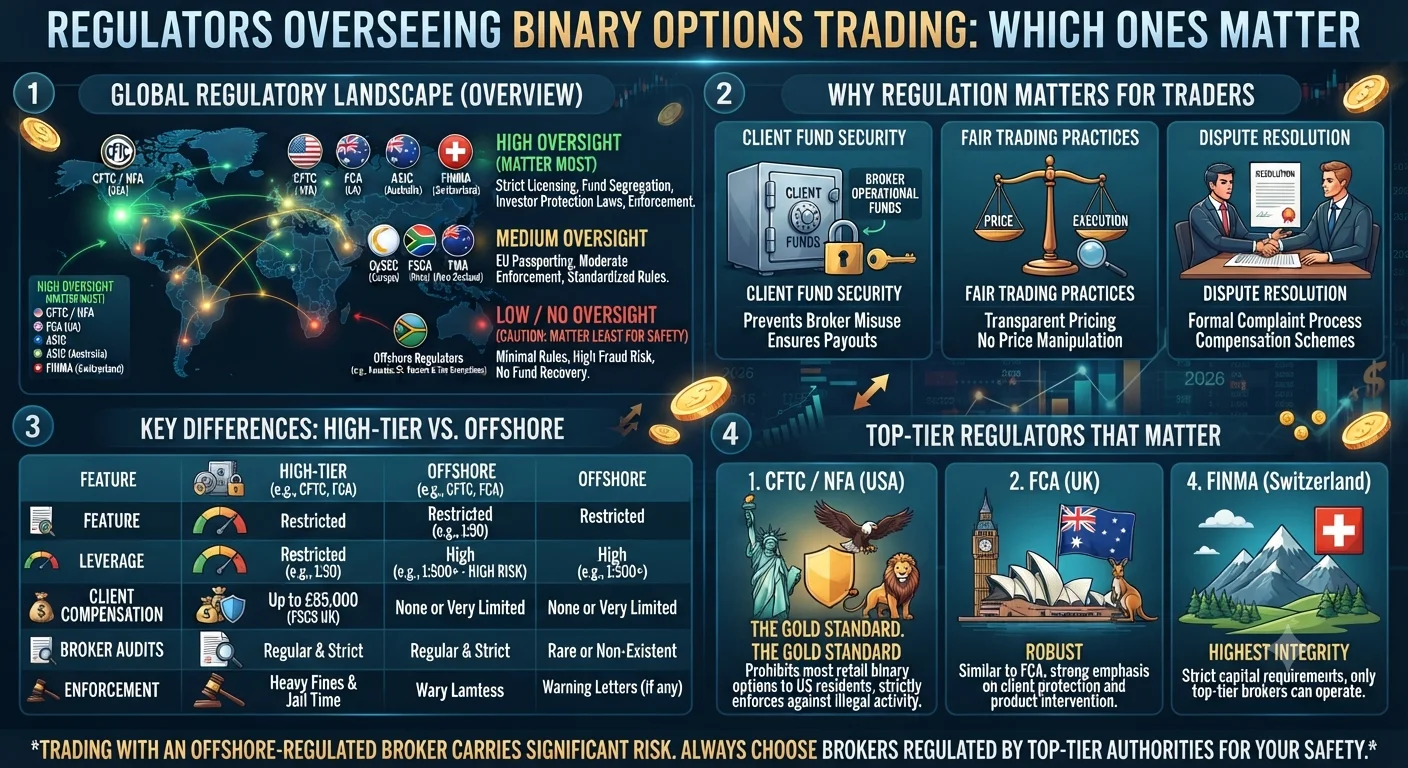
Several regulatory bodies are widely recognized as credible authorities whose oversight provides meaningful protection for traders. These include the Financial Conduct Authority in the United Kingdom the Cyprus Securities and Exchange Commission which regulates many European facing brokers the Australian Securities and Investments Commission and the Commodity Futures Trading Commission in the United States among others.
The credibility and enforcement capability of different regulatory bodies varies and a license from a well resourced authority with a strong enforcement history generally provides more meaningful protection than licensing from a smaller less established regulatory body.
How to Verify a Broker's Regulatory Status
Verification must always happen directly on the official website of the regulatory authority rather than by trusting claims made on the broker's own website. Search for the broker's license number or company name directly in the regulator's official public register which is typically available as a free searchable tool on the authority's website.
- Why Some Binary Options Platforms Refuse to Pay and What You Can Do About It
- Is Binary Options Trading a Scam or a Legitimate Way to Make Money
- Top Warning Signs of a Fake Binary Options Platform and How to Stay Safe
If the license number provided by the broker cannot be found in the regulator's official register or if the registered details do not match what the broker claims treat this discrepancy as a serious warning sign regardless of how professional the broker's website appears.
The Difference Between Regulated and Licensed
These terms are sometimes used interchangeably but there is an important practical distinction. A truly regulated broker operates under ongoing active oversight from an authority that monitors compliance enforces rules and can take action against violations. A merely licensed broker may hold a certificate of registration without the same level of active ongoing oversight and enforcement.
Recommended Articles
 SCAM ALERTS
 SCAM ALERTS
 SCAM ALERTS
 SCAM ALERTS
When evaluating a broker look specifically for active regulation with an established enforcement track record rather than simply the presence of any licensing claim regardless of the specific authority cited.
What Happens When a Regulated Broker Violates Rules
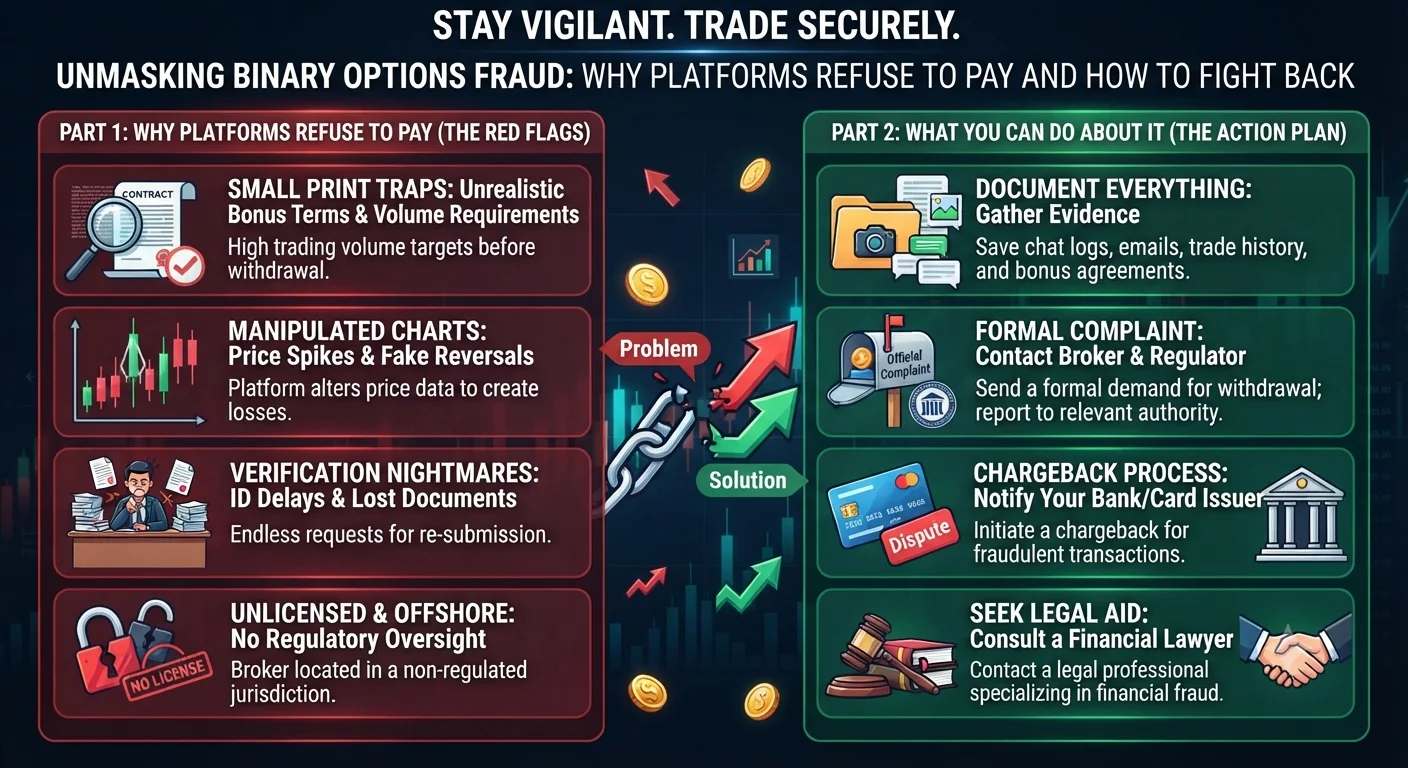
Regulatory authorities have enforcement powers that allow them to investigate complaints impose fines suspend or revoke licenses and in serious cases pursue legal action against non compliant brokers. This enforcement capability creates meaningful accountability that unregulated brokers simply do not face regardless of the promises they make in their marketing materials.
Trader complaints submitted to regulatory authorities contribute to building cases against violating brokers and in some cases have led to enforcement actions that resulted in client compensation programs for affected traders.
Regulated Does Not Mean Risk Free
An important clarification is that trading with a regulated broker does not eliminate trading risk since markets remain inherently unpredictable regardless of how trustworthy the platform executing your trades may be. Regulation addresses the risk of broker fraud and misconduct rather than the inherent market risk involved in predicting price direction.
Always apply proper risk management regardless of how well regulated your chosen broker may be since platform trustworthiness and trading profitability are entirely separate considerations.
Frequently Asked Questions About Regulated Brokers
What does it mean when a broker says it is regulated A regulated broker operates under the oversight of a recognized financial authority that sets and enforces rules regarding client fund protection fair pricing and dispute resolution.
How do I verify a broker's regulatory status independently Search the broker's license number or company name directly in the official public register on the regulatory authority's own website rather than trusting claims made only on the broker's own site.
Does regulation guarantee I will not lose money trading No. Regulation protects against broker fraud and misconduct but does not eliminate the inherent market risk involved in predicting price direction which remains present regardless of platform trustworthiness.
Are all regulatory authorities equally credible No. Well resourced authorities with strong enforcement histories provide more meaningful protection than smaller less established bodies whose oversight may be less rigorous in practice.
What should I do if a regulated broker behaves improperly File a formal complaint with the relevant regulatory authority providing complete documentation of your issue since regulatory complaints contribute to enforcement actions that can benefit affected traders.
Understanding which specific regulators oversee the binary options industry helps you evaluate regulatory claims more precisely. Continue reading our guide on What Regulators Oversee Binary Options Trading and Which Ones Actually Matter.
This article is for educational purposes only and does not constitute financial advice. Always verify regulatory information independently before depositing with any trading platform.